In today’s fast-paced industrial landscape, mastering material handling is essential for any business aiming to optimise efficiency and boost productivity. One of the critical components in achieving this is selecting the perfect conveyor system tailored to your industry’s unique needs. Whether you are working in manufacturing, logistics, or warehousing, the right conveyor can streamline operations, reduce labour costs, and minimise downtime. This ultimate guide will walk you through the essential considerations for choosing a conveyor system that aligns with your operational goals. From understanding various types of conveyors to assessing load capacities and materials, we’ll equip you with the knowledge to make informed decisions. Unlock the full potential of your workflow and discover how the right conveyor system can be a game-changer for your enterprise. Let us delve into the transformative power of effective material handling!
Understanding Material Handling and Its Importance
Material handling is a crucial aspect of any industrial operation, encompassing the movement, protection, storage, and control of materials throughout processes such as manufacturing and distribution. The primary goal is to ensure efficient and safe handling, which improves productivity, reduces costs, and minimises risks of injury or damage. Effective material handling can lead to substantial improvements in workflow and inventory management, making it integral to supply chain management and the success of various industries.
The importance of material handling cannot be overstated, as it directly impacts a company’s bottom line. Poor handling can create bottlenecks and delays, while an optimised system can streamline operations and enhance worker safety. By reducing manual labour, businesses can lower the risk of workplace injuries, leading to a healthier workforce. Additionally, maintaining the quality and integrity of products through proper handling techniques is essential, especially for fragile or perishable goods. Investing in the right systems ensures that products reach customers in optimal condition, boosting satisfaction and loyalty.
Enhancing Efficiency with Control Systems
The efficiency of material handling systems is heavily dependent on effective control systems. Well-designed control panels manage complex integrations of conveyors, scanners, labellers, and scales, ensuring seamless operations and minimising downtime. Various solutions, including conventional and PLC control systems with user-friendly touch screens (HMI), can be customised to meet specific requirements. Tailored solutions, such as multiple drive load sharing controls and variable speed inverters, can be implemented to address unique application demands.
Comprehensive services can encompass everything from design to installation and commissioning, offering flexibility for projects of any scale. This approach allows businesses to focus on core operations while effectively addressing material handling challenges. Exploring these options can significantly enhance operational efficiency and overall productivity.
Types of Conveyor Systems: An Overview
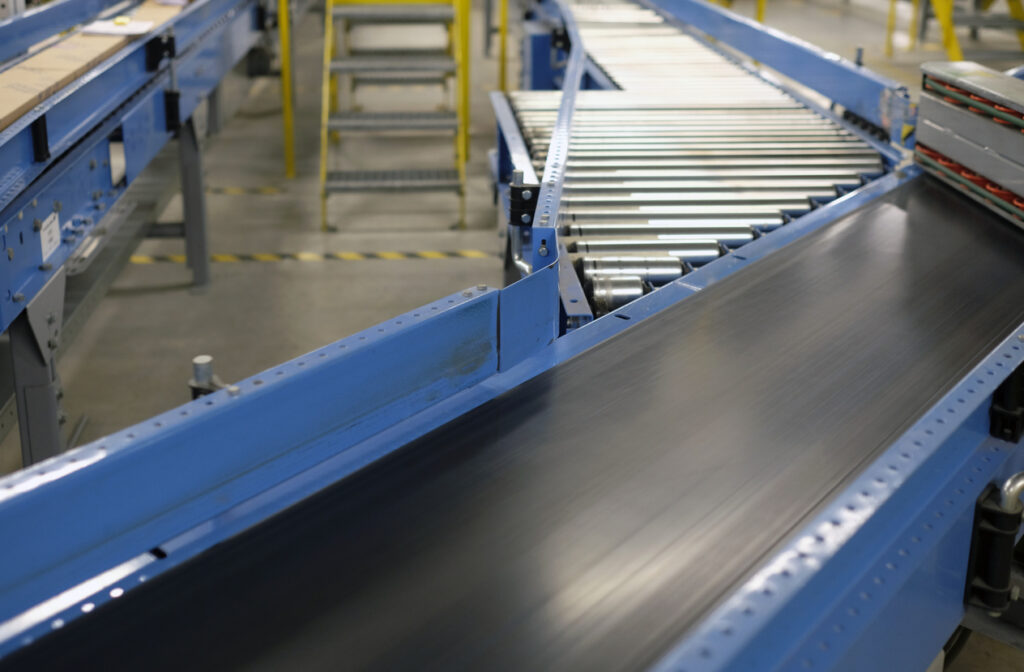
Conveyor systems are fundamental to material handling, providing mechanical means to move materials efficiently within a facility. There are several types of conveyor systems, each designed for specific needs. Belt conveyors, for instance, are widely used across manufacturing and distribution industries, capable of transporting a range of products from small packages to heavy loads. They can be customised with various accessories, such as cleats and sidewalls, to suit different applications.
Roller conveyors are popular for assembly lines and packaging operations, allowing materials to move along a series of rollers. These systems can be configured in many ways to fit facility layouts and are ideal for handling flat-bottomed products. Other types include chain conveyors for heavy loads and overhead conveyors for moving items above work areas. Understanding these options helps in selecting the most appropriate system for specific material handling needs.
Key Factors to Consider When Choosing a Conveyor System
Selecting the right conveyor system involves considering several key factors that impact efficiency and effectiveness. The type of materials being handled is crucial, as different characteristics – such as size, weight, and fragility – affect the choice of conveyor. Additionally, the layout of the facility plays a significant role; a well-designed conveyor configuration optimises material flow and minimises unnecessary movement.
The operational environment is another vital consideration. Industries with harsh conditions may require robust, weather-resistant conveyors, while those with strict hygiene standards, like food processing, need easy-to-clean materials. By understanding these factors, businesses can select conveyor systems that withstand specific challenges and maintain optimal performance.
Industry-Specific Conveyor Solutions
Different industries have unique material handling requirements that necessitate customised conveyor solutions. In manufacturing, conveyor systems are essential for moving raw materials and finished products. For instance, automotive manufacturers may use overhead conveyors for efficient transport along assembly lines, while electronics manufacturers may prefer belt conveyors for delicate components.
In logistics and distribution, conveyor systems streamline order fulfilment and warehouse operations. High-speed systems with advanced sorting capabilities are vital for handling large volumes of parcels. In the food and beverage industry, compliance with safety regulations is paramount, leading to the use of stainless-steel conveyors designed to prevent contamination. Customised solutions ensure that operational efficiency is enhanced while meeting industry standards.
The Role of Automation in Conveyor Systems
Automation significantly enhances modern conveyor systems, improving efficiency, accuracy, and productivity. Advanced technologies, such as sensors and robotics, enable automated systems to perform tasks with minimal human intervention. This automation leads to consistent handling of materials, reducing errors and ensuring efficient processing.
In addition to efficiency, automation increases workplace safety by taking over hazardous tasks. Automated systems can handle heavy loads and operate in challenging environments, reducing the risk of workplace injuries. Safety features, such as emergency stop buttons and protective barriers, further enhance the safety of automated conveyor systems.
Maintenance and Safety Considerations
Regular maintenance and safety measures are crucial for ensuring the reliability of conveyor systems. Routine inspections help identify potential issues, while regular cleaning prevents the buildup of debris that can affect performance. Lubricating moving parts ensures smooth operation and extends equipment life.
Safety is paramount; ensuring that all safety features are functional and training employees in safe operation is essential. Regular safety audits can help identify hazards and ensure compliance with regulations. A proactive maintenance and safety approach ensures the reliable performance of conveyor systems and protects employee well-being.
Cost Analysis: Budgeting for Your Conveyor System
Investing in a conveyor system requires careful cost analysis and budgeting. Initial costs include equipment purchase and customisation, while installation costs can vary based on complexity. Working with experienced providers can streamline the installation process and minimise unexpected expenses.
Ongoing maintenance and operational costs should also be factored into the budget. Regular upkeep is essential for preventing breakdowns, and energy consumption and labour costs must be considered. A comprehensive approach to cost analysis ensures that all expenses are accounted for, maximising the return on investment.
Future Trends in Conveyor Technology
Conveyor technology continues to evolve, driven by innovations that enhance efficiency and sustainability. Automation and smart technology are significant trends, enabling systems to monitor performance and optimise operations in real-time. These advancements lead to increased uptime and efficiency, providing valuable insights into material handling processes.
Sustainability is also a growing focus, with energy-efficient systems reducing environmental impact and operating costs. Modular and flexible conveyor designs allow for easy reconfiguration, accommodating changes in production needs. By staying informed about these trends, businesses can enhance their material handling capabilities and remain competitive.
Conclusion: Making the Right Choice for Your Material Handling Needs
Choosing the right conveyor system is critical for enhancing material handling efficiency and overall business success. By understanding various conveyor types, key factors, and industry-specific solutions, businesses can make informed decisions that meet their unique requirements.
Automation and smart technology are revolutionising conveyor systems, offering opportunities for improved efficiency and safety. Regular maintenance and safety considerations are essential for ensuring reliable performance, while thorough cost analysis helps maximise investment returns.
Staying updated on future trends and examining successful case studies can provide valuable insights for material handling projects. By taking a proactive approach, businesses can select conveyor systems that enhance operational efficiency and support long-term goals, ultimately transforming their material handling operations for a more successful future.