In today’s fast-paced industrial landscape, optimising efficiency is paramount to maintaining a competitive edge. Conveyor systems are at the heart of this transformation, providing seamless solutions to streamline your production line. From reducing bottlenecks to enhancing workflow, these systems serve as the backbone of modern manufacturing processes.
In this ultimate guide, we will delve into the essential strategies and innovative technologies that can significantly boost your production line. Whether you are a seasoned expert or new to conveyor systems, our comprehensive insights will empower you to maximise productivity and reduce operational costs. Discover how integrating the right conveyor solutions can not only elevate your efficiency but also enhance safety and reliability in your operations. It’s time to reimagine your production capabilities and unlock new levels of success. Join us as we explore the endless possibilities of conveyor systems and set your business on the path to unparalleled productivity.
Understanding Conveyor Systems: An Overview
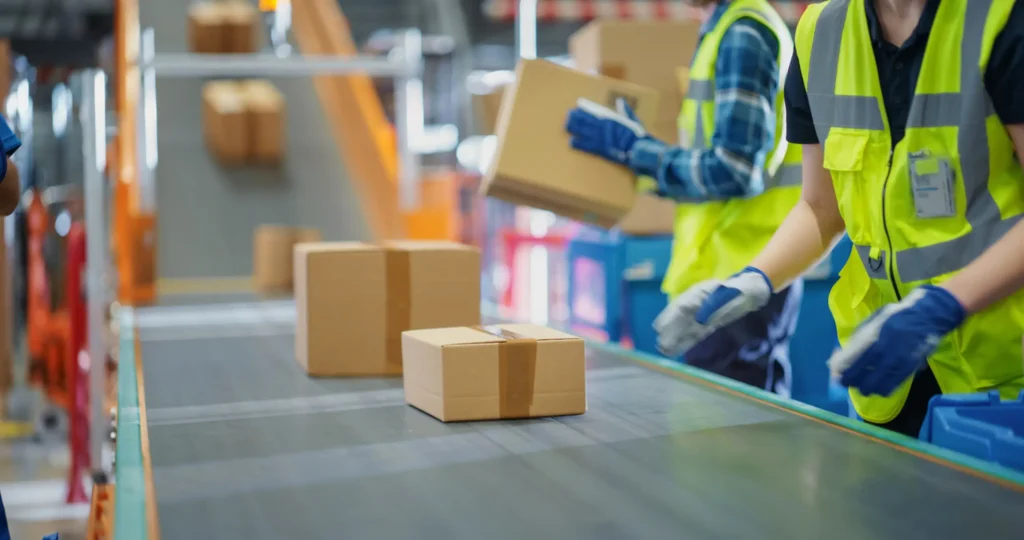
Conveyor systems have become an integral part of modern manufacturing and distribution operations. These mechanical handling devices are designed to transport materials, products, and goods efficiently across various stages of production. From manufacturing plants to packaging facilities and distribution centres, conveyor systems facilitate a continuous flow of materials, reducing manual labour and minimising the risk of errors. By automating the movement of items, these systems contribute to higher productivity and cost savings.
At the core of conveyor systems are various components, including belts, rollers, motors, and control units. Each component plays a crucial role in the system’s overall functionality and performance. Belts, for instance, are made from materials such as rubber, plastic, or metal, each chosen based on the specific needs of the application. Rollers support the belt and help in the smooth movement of items. Motors drive the conveyor, while control units regulate its speed and direction, ensuring synchronisation with other machinery.
Conveyor systems come in different configurations, ranging from simple, straight-line conveyors to complex, multi-tiered systems with curves and inclines. These configurations are tailored to the unique requirements of each operation, ensuring that materials are transported efficiently and safely. The versatility of conveyor systems allows them to be customised for various industries, including automotive, food and beverage, pharmaceuticals, and electronics, making them indispensable in modern production lines.
The Importance of Efficiency in Production Lines
Efficiency in production lines is vital for maintaining a competitive edge in today’s fast-paced industrial landscape. Efficient production lines ensure that products are manufactured quickly, cost-effectively, and with minimal waste. This is where conveyor systems play a crucial role. By automating the movement of materials, conveyor systems reduce the time and effort required for manual handling, thereby speeding up the production process and increasing throughput.
Moreover, efficient production lines lead to higher-quality products. When materials are transported smoothly and consistently, the risk of damage or contamination is significantly reduced. This is particularly important in industries such as food and pharmaceuticals, where product integrity is paramount. Conveyor systems help maintain a controlled environment, ensuring that products meet stringent quality standards.
Efficiency also translates to cost savings. By reducing the need for manual labour and minimising downtime, conveyor systems help lower operational costs. They optimise the use of resources, such as energy and materials, contributing to a more sustainable and environmentally friendly operation. In addition, efficient production lines can respond more quickly to changes in demand, allowing businesses to adapt to market fluctuations and seize new opportunities.
Types of Conveyor Systems and Their Applications
Conveyor systems come in various types, each designed to meet specific needs and applications. Understanding the different types of conveyor systems and their applications is essential for selecting the right solution for your production line.
Belt Conveyors: One of the most common types, belt conveyors consist of a continuous loop of material that moves items from one point to another. They are versatile and can handle a wide range of products, from small parts to large packages. Belt conveyors are ideal for industries such as manufacturing, packaging, and logistics.
Roller Conveyors: These conveyors use a series of rollers to move items along a flat surface. Roller conveyors are suitable for handling heavy or bulky items, making them ideal for industries like automotive and warehousing. They can be powered or gravity-driven, depending on the application.
Chain Conveyors: Chain conveyors use chains to move items along a path. They are robust and can handle heavy loads, making them suitable for industries like automotive and heavy manufacturing. Chain conveyors are often used in assembly lines and for transporting pallets.
Slat Conveyors: Slat conveyors use slats or plates that are connected to a chain. They are ideal for moving large, heavy items and are commonly used in industries such as automotive and electronics. Slat conveyors provide a stable and secure platform for transporting products.
Overhead Conveyors: Overhead conveyors use a track system mounted above the production floor. Items are suspended from the track and moved along the path. Overhead conveyors are ideal for saving floor space and are commonly used in industries such as automotive and food processing.
Pneumatic Conveyors: Pneumatic conveyors use air pressure to move materials through tubes or ducts. They are ideal for transporting bulk materials, such as powders and granules. Pneumatic conveyors are commonly used in industries such as pharmaceuticals and food processing.
Key Factors to Consider When Choosing a Conveyor System
Selecting the right conveyor system for your production line requires careful consideration of several factors. Each factor plays a crucial role in determining the efficiency and effectiveness of the conveyor system.
Material Characteristics: The type of material being transported is a critical consideration. Different materials have different characteristics, such as size, weight, and fragility. For example, delicate items may require a conveyor with a gentle handling mechanism, while heavy items may need a robust conveyor with high load capacity.
Production Requirements: Understanding your production requirements is essential for selecting the right conveyor system. Consider factors such as the volume of materials to be transported, the speed of the production line, and the layout of the facility. A conveyor system should be able to handle the peak production load and integrate seamlessly with other machinery.
Space Constraints: The available space in your facility is another important consideration. Conveyor systems come in various configurations, including straight, curved, and inclined. Assess the layout of your facility and determine the best configuration that maximises the use of available space while ensuring smooth material flow.
Environmental Conditions: The operating environment can impact the performance of a conveyor system. Consider factors such as temperature, humidity, and exposure to chemicals. For example, in a food processing facility, a conveyor system may need to be made of stainless steel to withstand frequent cleaning and sanitisation.
Budget and Cost: The cost of a conveyor system is an important consideration for any business. While it may be tempting to choose the least expensive option, it is essential to consider the long-term benefits and return on investment. A high-quality conveyor system may have a higher upfront cost but can lead to significant cost savings through increased efficiency and reduced maintenance.
Safety and Compliance: Safety is paramount in any production facility. Ensure that the conveyor system meets all safety standards and regulations. Look for features such as emergency stop buttons, guards, and sensors that can prevent accidents and injuries.
How Conveyor Systems Enhance Workflow and Productivity
Conveyor systems are instrumental in enhancing workflow and productivity in production lines. By automating the movement of materials, they reduce manual handling and streamline operations, leading to several benefits.
Reduced Bottlenecks: One of the primary advantages of conveyor systems is their ability to reduce bottlenecks in production lines. Bottlenecks occur when there is a delay or obstruction in the flow of materials, leading to inefficiencies and increased lead times. Conveyor systems ensure a continuous and smooth flow of materials, eliminating bottlenecks and increasing throughput.
Improved Accuracy: Manual handling of materials can lead to errors, such as incorrect placement or damage to products. Conveyor systems provide a controlled and consistent method of transporting materials, reducing the risk of errors, and ensuring that products are handled with care. This leads to higher-quality products and increased customer satisfaction.
Enhanced Coordination: Conveyor systems can be integrated with other machinery and automated systems, creating a coordinated and synchronised production line. This integration ensures that materials are delivered to the right location at the right time, optimising the use of resources and minimising downtime.
Increased Speed: Conveyor systems can operate at high speeds, significantly increasing the pace of production. This is particularly important in industries with high demand and tight deadlines. By reducing the time taken to move materials, conveyor systems enable businesses to meet customer demands more efficiently.
Labour Savings: Automating the movement of materials reduces the need for manual labour, leading to significant cost savings. Employees can be redeployed to more value-added tasks, such as quality control and machine maintenance. This not only increases productivity but also enhances job satisfaction and employee morale.
Safety Improvements: Conveyor systems enhance safety in production facilities by reducing the need for manual handling of heavy or hazardous materials. They can be equipped with safety features such as sensors, guards, and emergency stop buttons, preventing accidents and injuries. A safer work environment leads to increased productivity and reduced downtime.
Best Practices for Maintaining Conveyor Systems
Proper maintenance is crucial for ensuring the longevity and optimal performance of conveyor systems. Regular maintenance helps prevent breakdowns, reduces downtime, and extends the life of the equipment. Here are some best practices for maintaining conveyor systems.
Regular Inspections: Conduct regular inspections of the conveyor system to identify any signs of wear and tear, damage, or misalignment. Inspections should include checking belts, rollers, motors, and control units. Promptly address any issues to prevent them from escalating into more significant problems.
Lubrication: Proper lubrication of moving parts is essential for reducing friction and preventing wear. Follow the manufacturer’s recommendations for lubrication intervals and use the appropriate type of lubricant. Over-lubrication or under-lubrication can lead to equipment failure, so it is important to get it right.
Cleaning: Keep the conveyor system clean to prevent the buildup of dirt, debris, and contaminants. Regular cleaning helps maintain the efficiency of the system and reduces the risk of damage to components. In industries such as food processing, cleaning is also essential for maintaining hygiene and preventing contamination.
Alignment and Tensioning: Ensure that belts and chains are properly aligned and tensioned. Misalignment or improper tension can lead to excessive wear, reduced efficiency, and increased risk of breakdowns. Regularly check alignment and tension and make adjustments as needed.
Training and Documentation: Provide training to employees on the proper operation and maintenance of the conveyor system. Ensure that they understand the importance of regular maintenance and are familiar with the procedures. Maintain documentation of maintenance activities, including inspection reports, lubrication schedules, and repair records.
Spare Parts Inventory: Keep an inventory of critical spare parts, such as belts, rollers, and motors. Having spare parts on hand ensures that repairs can be carried out quickly, minimising downtime. Work with the manufacturer or supplier to identify the most critical parts to keep in inventory.
Integrating Conveyor Systems with Other Machinery
Integrating conveyor systems with other machinery and automated systems is essential for creating a seamless and efficient production line. Integration ensures that materials are transported smoothly and synchronised with other processes, leading to several benefits.
Increased Efficiency: Integration allows for the seamless transfer of materials between various stages of production. For example, a conveyor system can transport materials from an assembly line to a packaging machine, ensuring a continuous flow of products. This reduces the need for manual handling and increases overall efficiency.
Enhanced Coordination: Integrating conveyor systems with other machinery ensures that all processes are synchronised. For example, sensors and control units can be used to coordinate the speed of the conveyor with the speed of other machines, such as sorting or packaging equipment. This coordination prevents bottlenecks and ensures that materials are delivered to the right place at the right time.
Improved Data Collection: Integrated conveyor systems can be equipped with sensors and control units that collect data on the movement of materials. This data can be used for monitoring and analysing the performance of the production line, identifying areas for improvement, and making informed decisions. For example, data on conveyor speed and throughput can be used to optimise production schedules and reduce downtime.
Flexibility: Integration allows for greater flexibility in the production line. For example, a conveyor system can be reconfigured to accommodate changes in production requirements, such as the introduction of new products or changes in demand. This flexibility ensures that the production line can adapt to changing market conditions and remain competitive.
Reduced Downtime: Integrated conveyor systems can be equipped with sensors and control units that monitor the condition of the equipment and detect any signs of wear or damage. This allows for preventive maintenance and reduces the risk of breakdowns. For example, sensors can detect misalignment or excessive wear on belts and alert maintenance personnel before a failure occurs.
Safety and Compliance: Integration ensures that all equipment in the production line meets safety standards and regulations. For example, sensors and control units can be used to monitor the condition of the conveyor system and ensure that it operates within safe parameters. This reduces the risk of accidents and injuries and ensures compliance with industry standards.
Future Trends in Conveyor Technology
The world of conveyor technology is constantly evolving, driven by advancements in automation, artificial intelligence, and digitalisation. Here are some of the key trends shaping the future of conveyor systems.
Industry 4.0 and IoT Integration: The integration of conveyor systems with the Internet of Things (IoT) and Industry 4.0 technologies is revolutionising production lines. IoT-enabled sensors and devices collect real-time data on the condition and performance of conveyor systems, allowing for predictive maintenance and optimised operations. For example, sensors can monitor the wear and tear on belts and rollers, alerting maintenance personnel before a failure occurs.
Artificial Intelligence and Machine Learning: AI and machine learning are being used to enhance the performance and efficiency of conveyor systems. These technologies enable conveyor systems to learn from data and make intelligent decisions, such as adjusting speed and direction based on production demands. For example, AI algorithms can analyse data on production volumes and adjust conveyor speeds to optimise throughput and reduce energy consumption.
Robotics and Automation: The integration of robotics with conveyor systems is transforming production lines. Robotic arms and automated guided vehicles (AGVs) work in tandem with conveyor systems to handle materials and products with precision and efficiency. For example, robotic arms can pick and place items on conveyors, while AGVs transport materials between different stages of production.
Flexible and Modular Conveyor Systems: The demand for flexible and modular conveyor systems is on the rise, driven by the need for adaptable and scalable production lines. Modular conveyor systems can be easily reconfigured to accommodate changes in production requirements, such as the introduction of new products or changes in demand. For example, modular conveyors can be extended or shortened, and additional modules can be added to increase capacity.
Energy Efficiency and Sustainability: The focus on energy efficiency and sustainability is driving innovations in conveyor technology. Manufacturers are developing conveyor systems that consume less energy and have a lower environmental impact. For example, energy-efficient motors and variable frequency drives (VFDs) reduce energy consumption, while eco-friendly materials and designs minimise waste and environmental impact.
Augmented Reality and Virtual Reality: Augmented reality (AR) and virtual reality (VR) are being used to enhance the design, installation, and maintenance of conveyor systems. AR and VR technologies allow engineers and technicians to visualise conveyor systems in a virtual environment, making it easier to plan layouts, identify potential issues, and conduct training. For example, AR can be used to overlay digital information on physical conveyor systems, providing real-time guidance for maintenance and repairs.
Conclusion: Elevating Your Production Line Efficiency
In conclusion, conveyor systems are the backbone of modern production lines, offering seamless solutions to streamline operations and enhance efficiency. By automating the movement of materials, these systems reduce manual handling, minimise errors, and increase productivity. The right conveyor system can transform your production capabilities, leading to significant improvements in throughput, quality, and cost savings.
Understanding the different types of conveyor systems and their applications is essential for selecting the right solution for your operation. Consider factors such as material characteristics, production requirements, space constraints, and environmental conditions when choosing a conveyor system. Proper maintenance and integration with other machinery are crucial for ensuring the optimal performance and longevity of the system.
As technology continues to evolve, the future of conveyor systems looks promising. Advancements in IoT, AI, robotics, and automation are driving innovations that will further enhance the efficiency and capabilities of conveyor systems. By staying abreast of these trends and adopting the latest technologies, businesses can remain competitive and achieve new levels of success.
The key to maximising efficiency with conveyor systems lies in careful planning, regular maintenance, and continuous improvement. By leveraging the benefits of conveyor systems and embracing the latest technological advancements, you can elevate your production line efficiency and set your business on the path to unparalleled productivity and profitability.